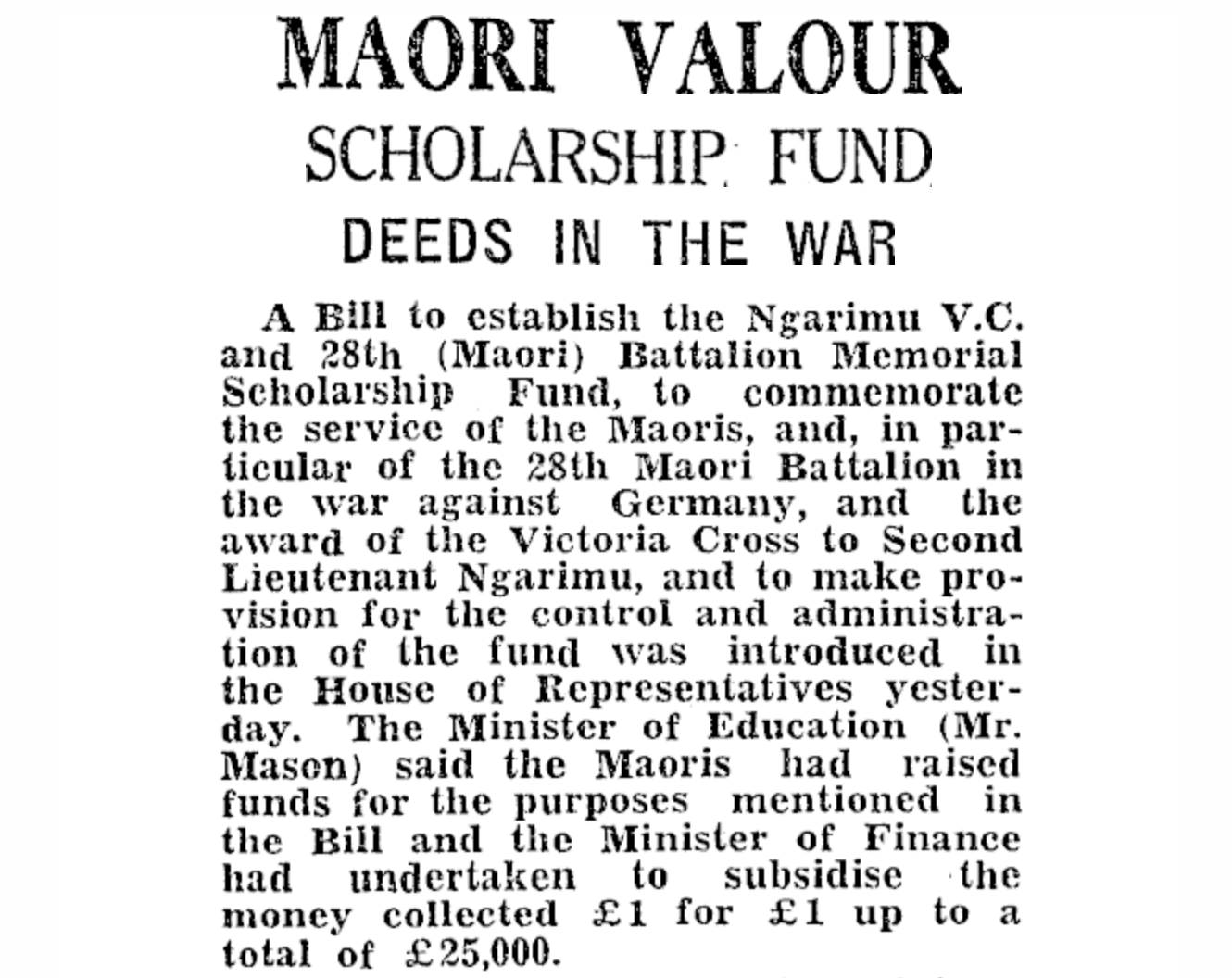
Detail from article in the Evening Post, 29 November 1945

Papers Past (CC BY-NC-SA 3.0 NZ)

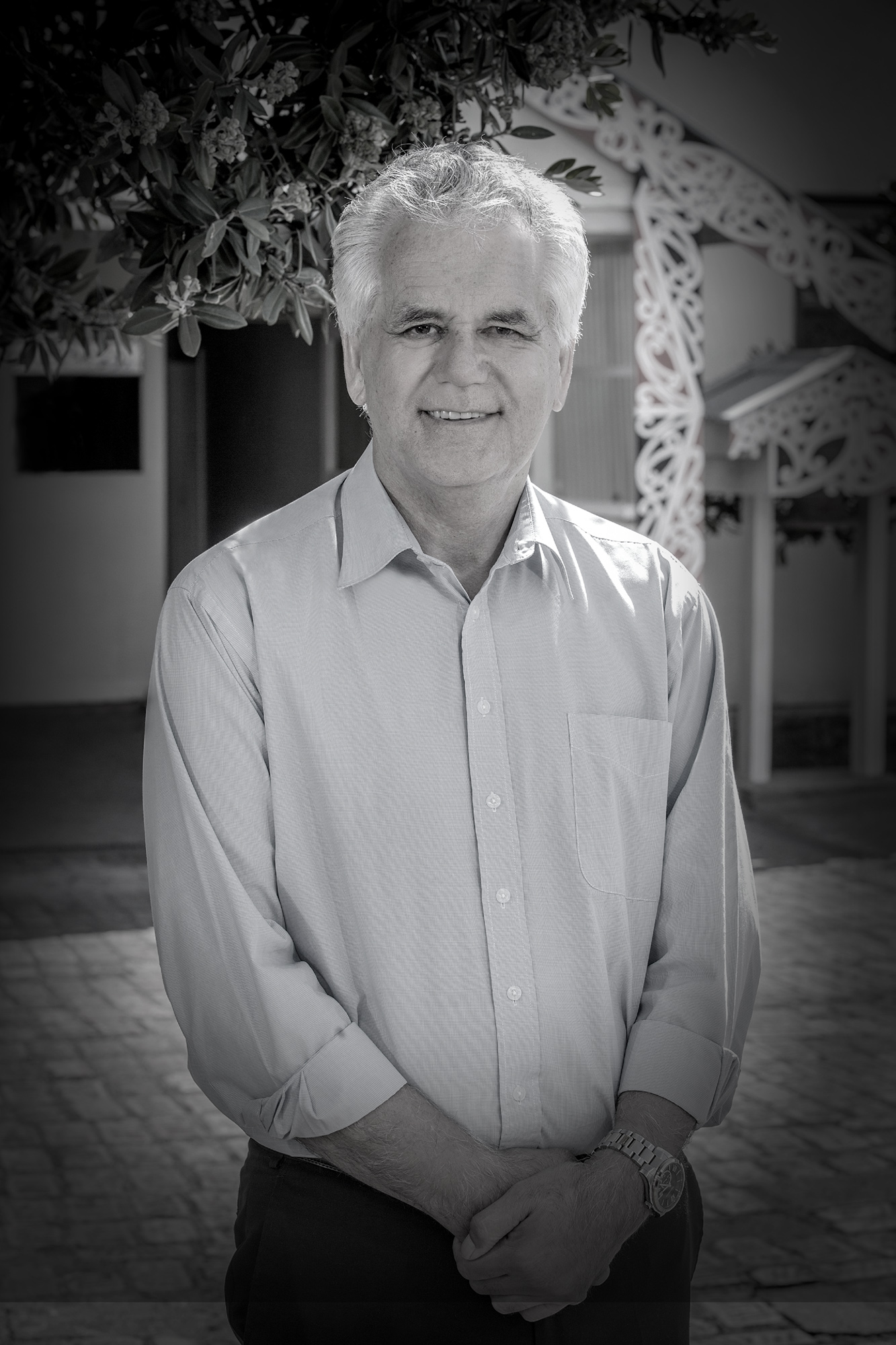
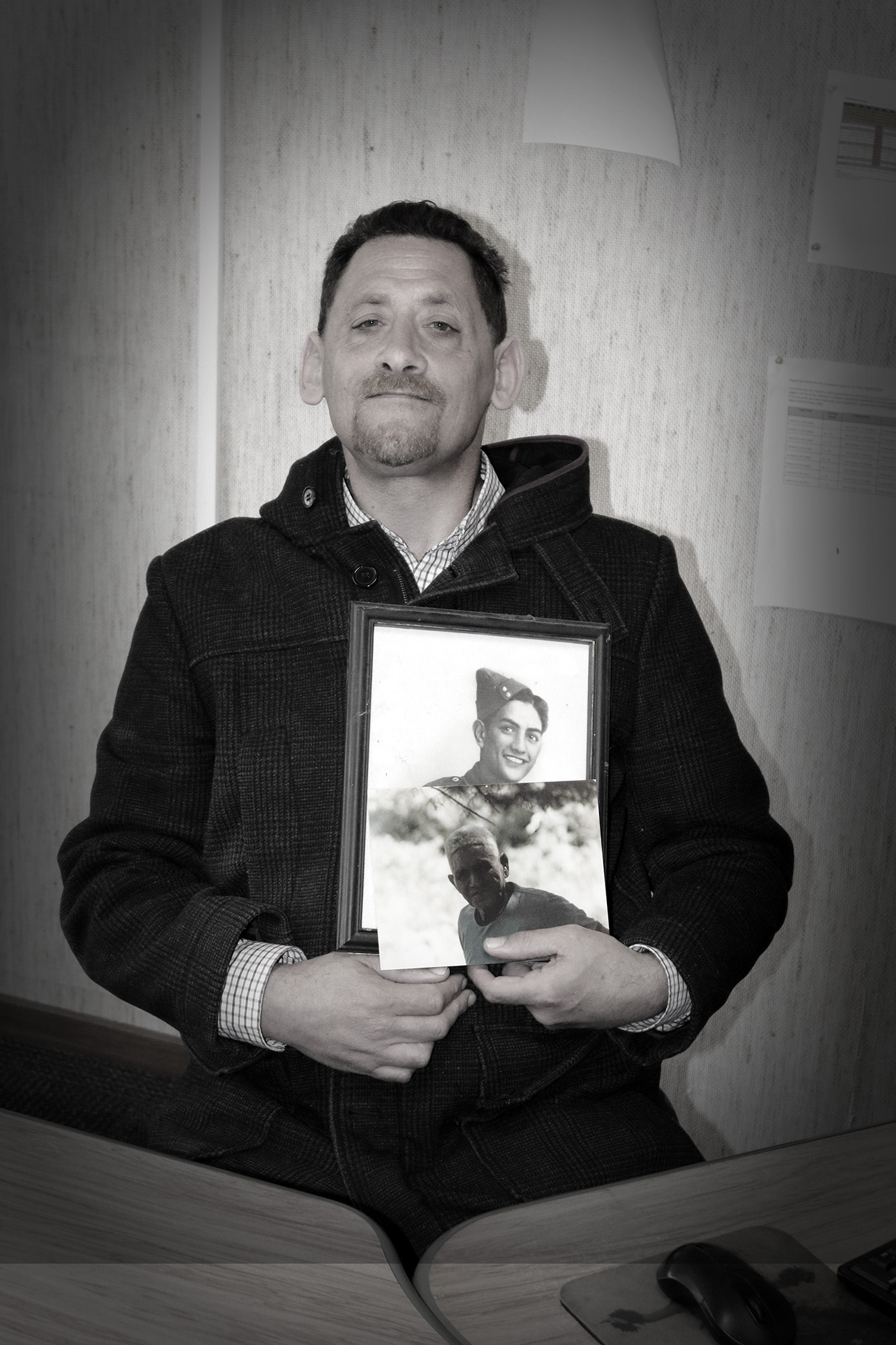
Moana Jackson, 2019

Photographer Mark Tantrum

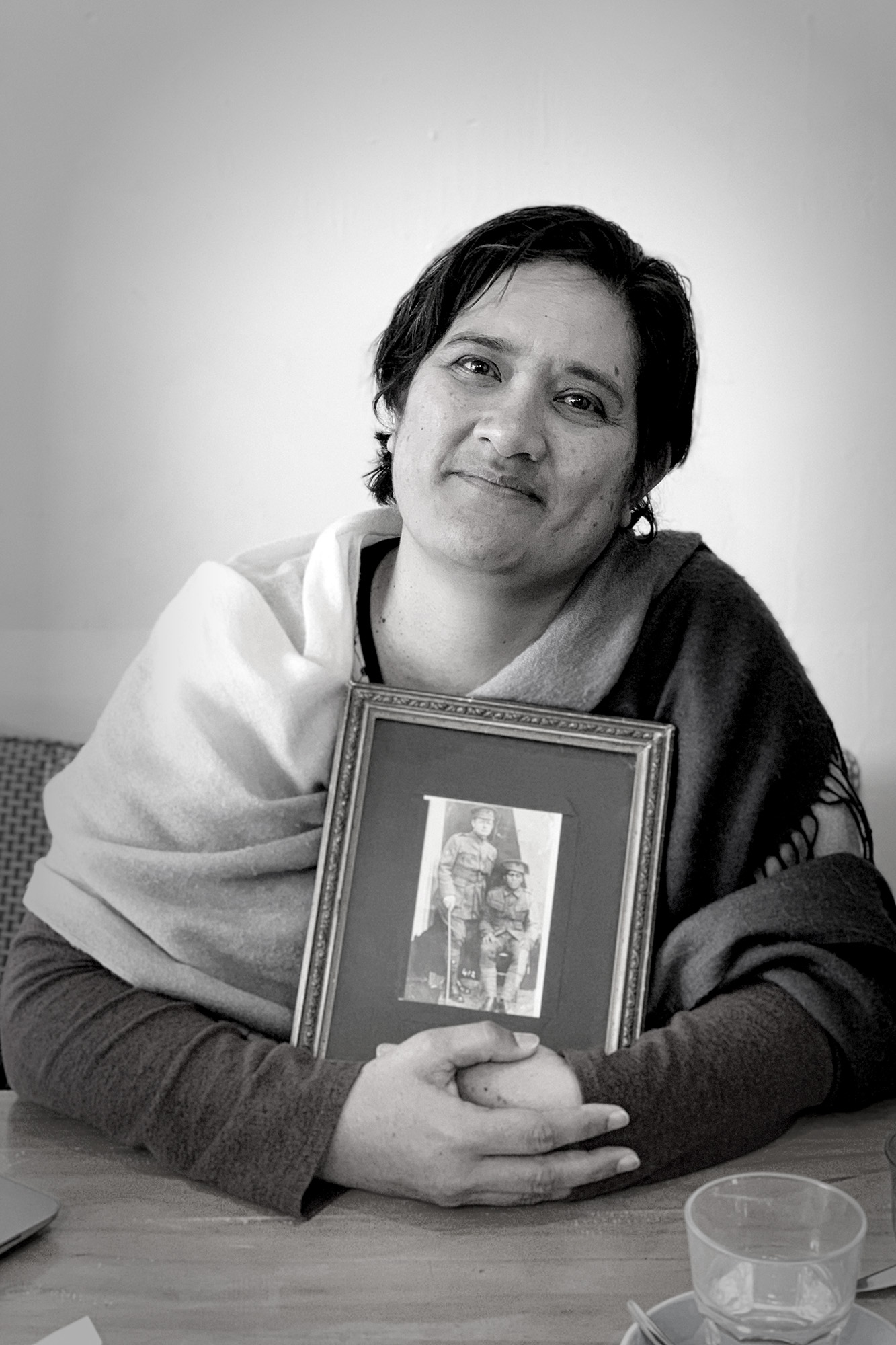
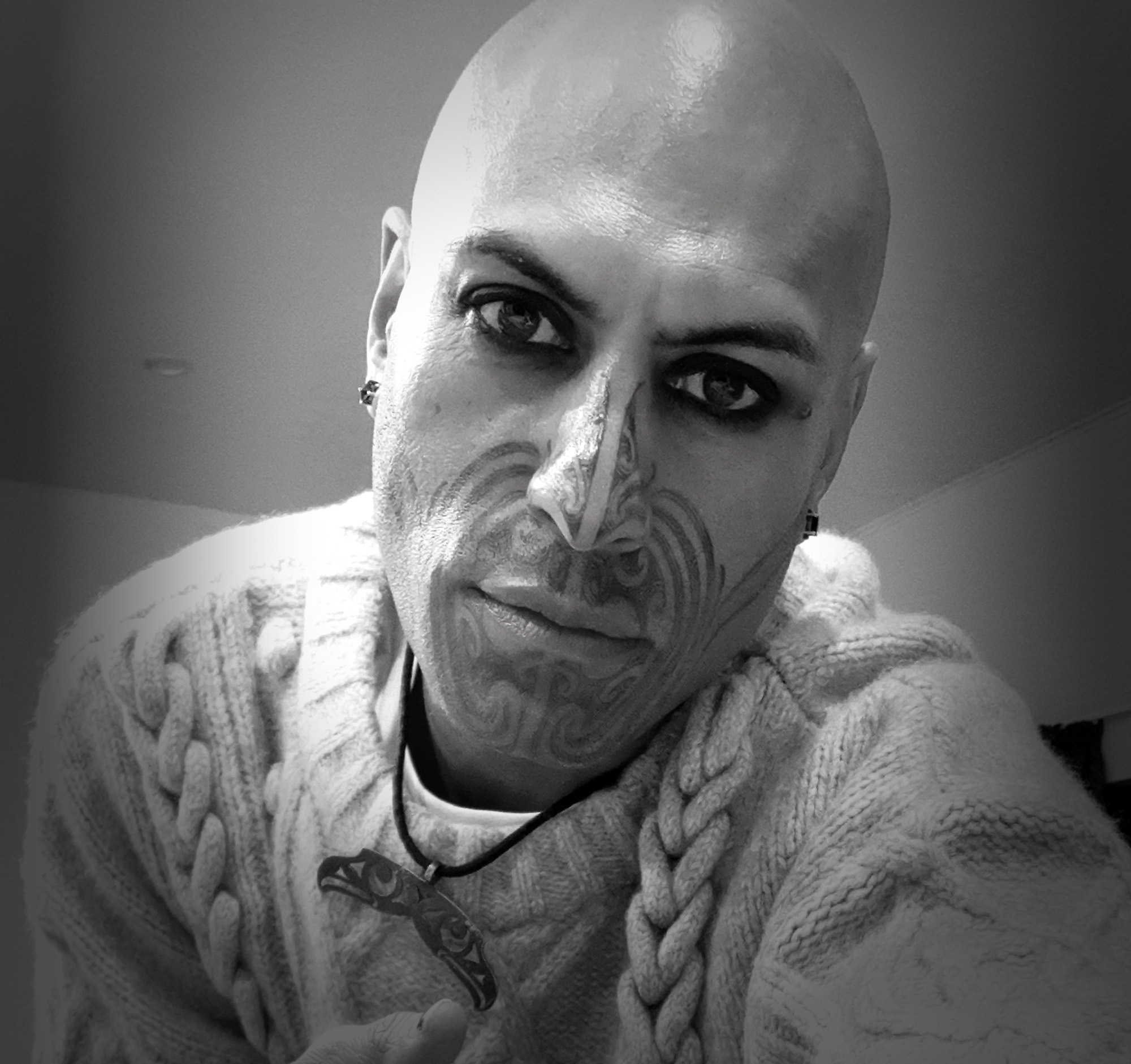
Chanel Clarke, 2019

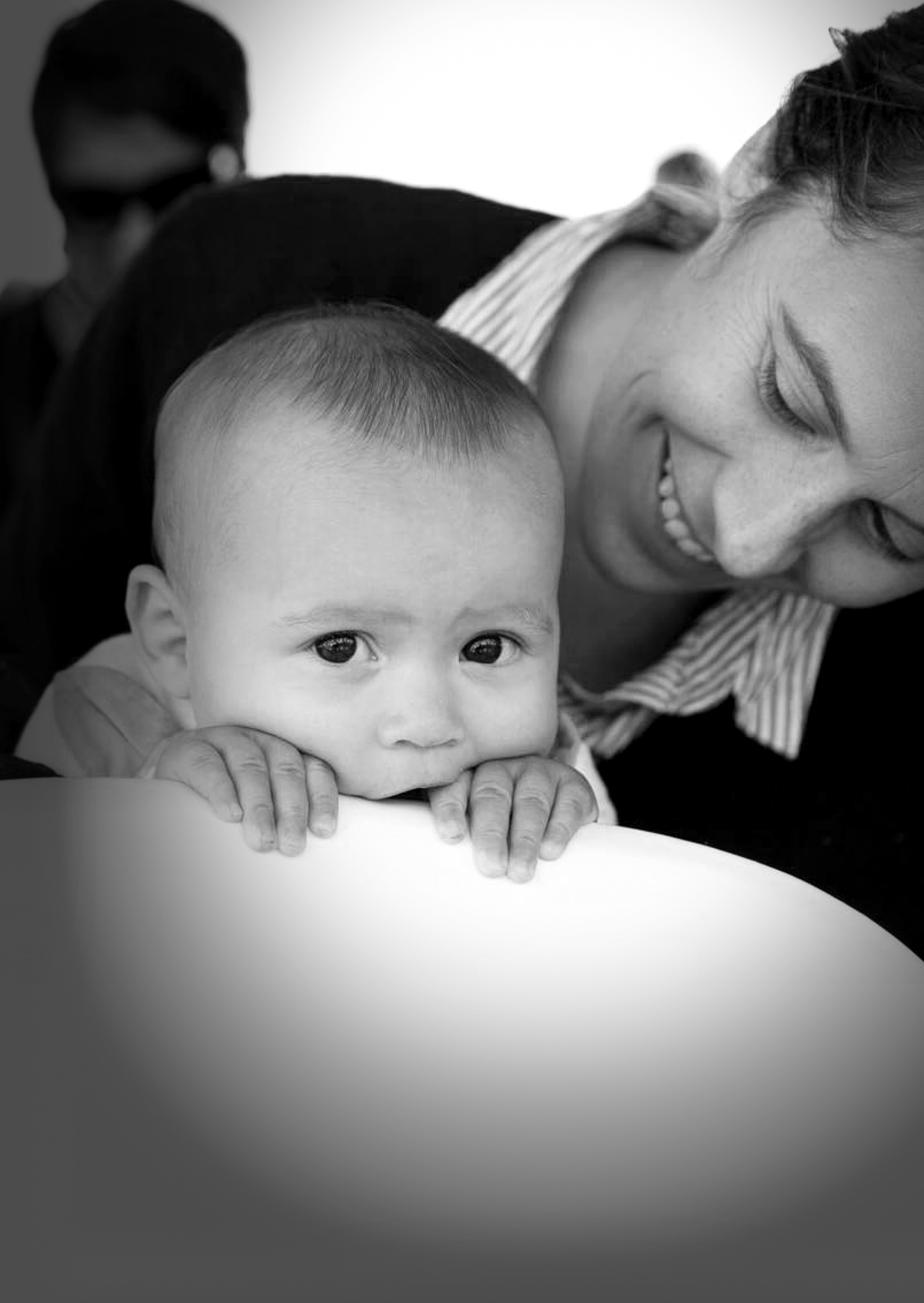
Natalie Coates and daughter Hiwa-i-te-rangi Allan-Coates, 2018

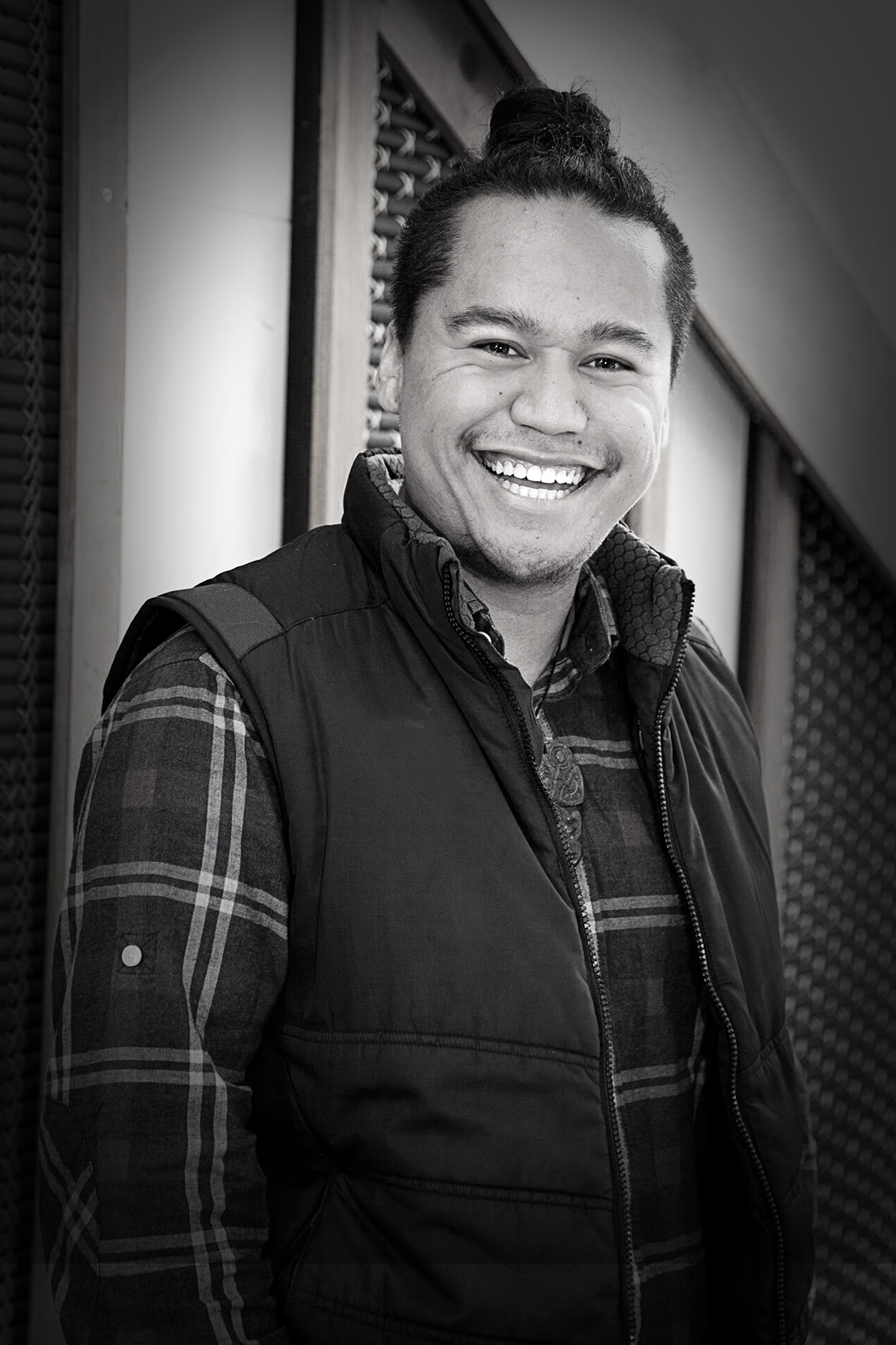
Hēmi Enright, 2018

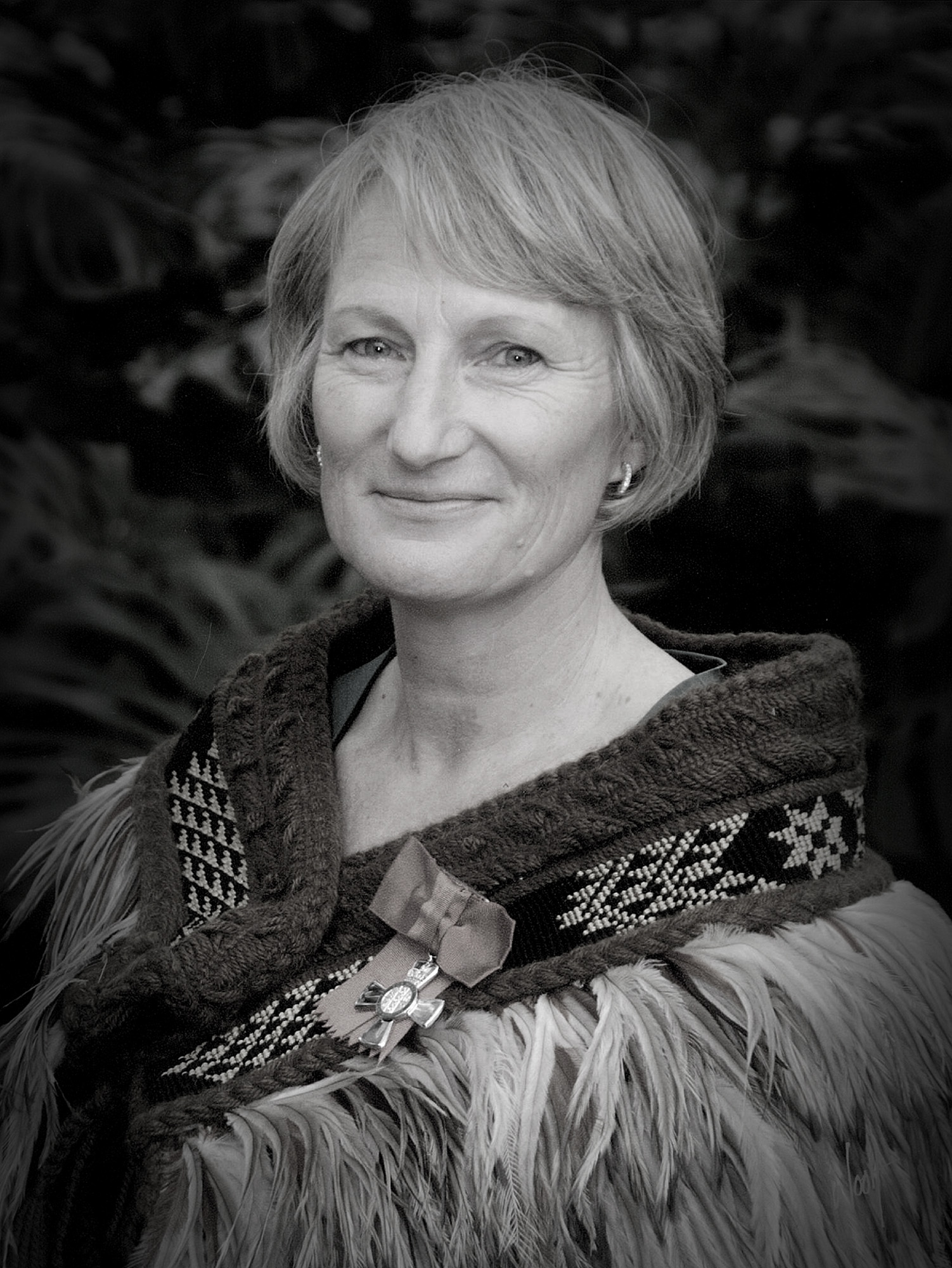
Margaret Kawharu, 2019

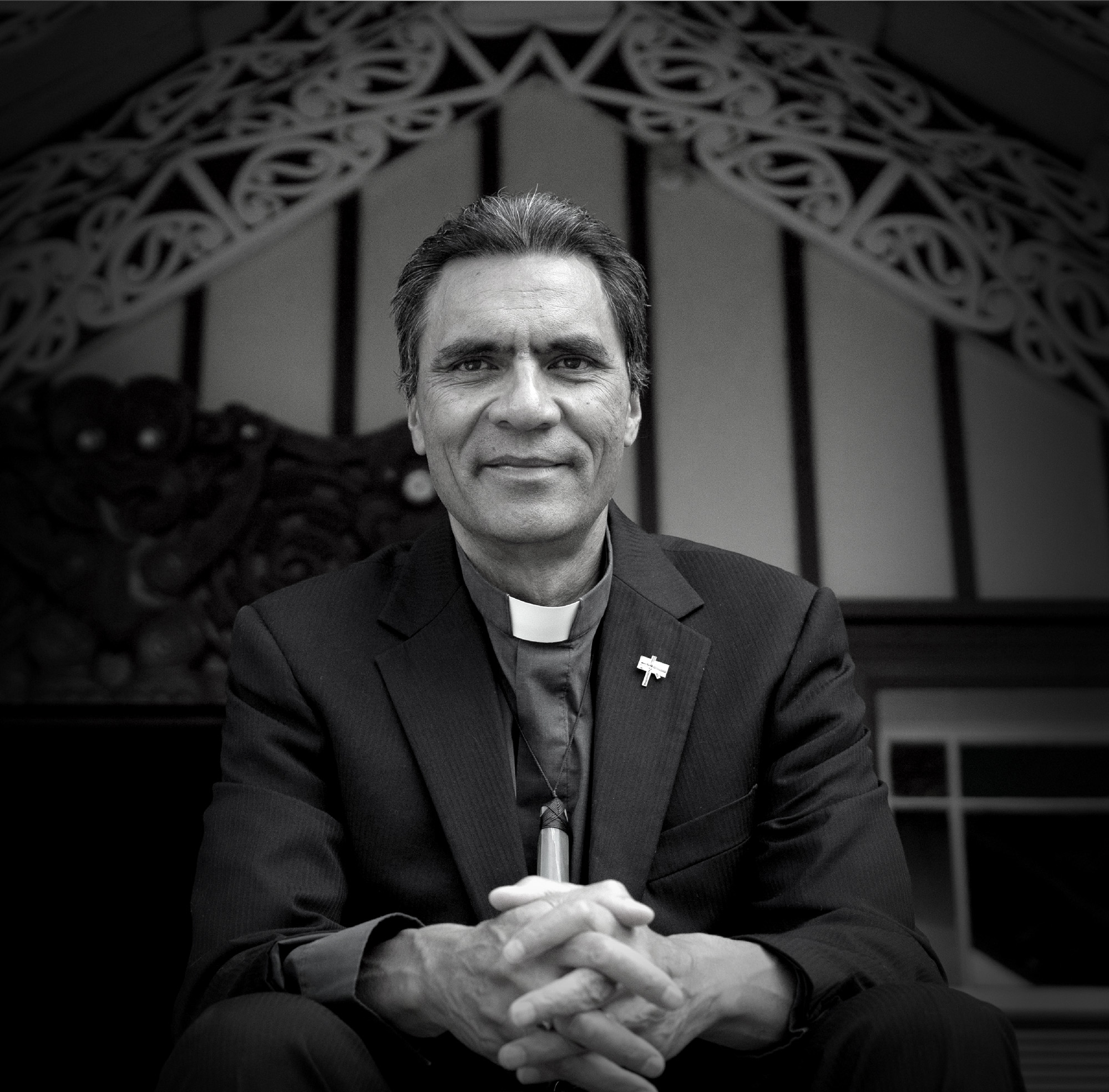
Robert Kereopa, 2019

Photographer Rebecca Kereopa

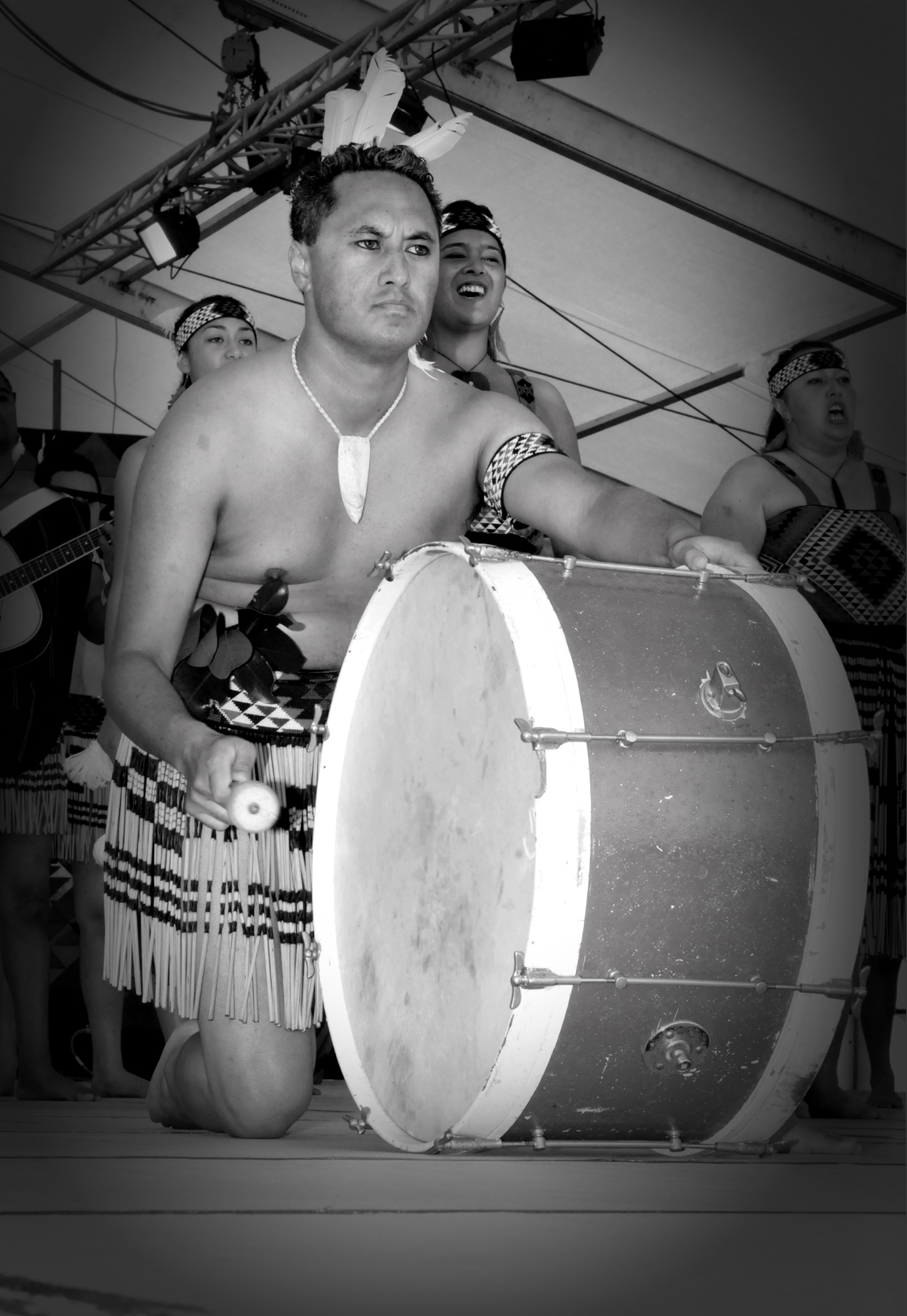
Kingi Kiriona, 2019

Ēnoka Murphy, 2019

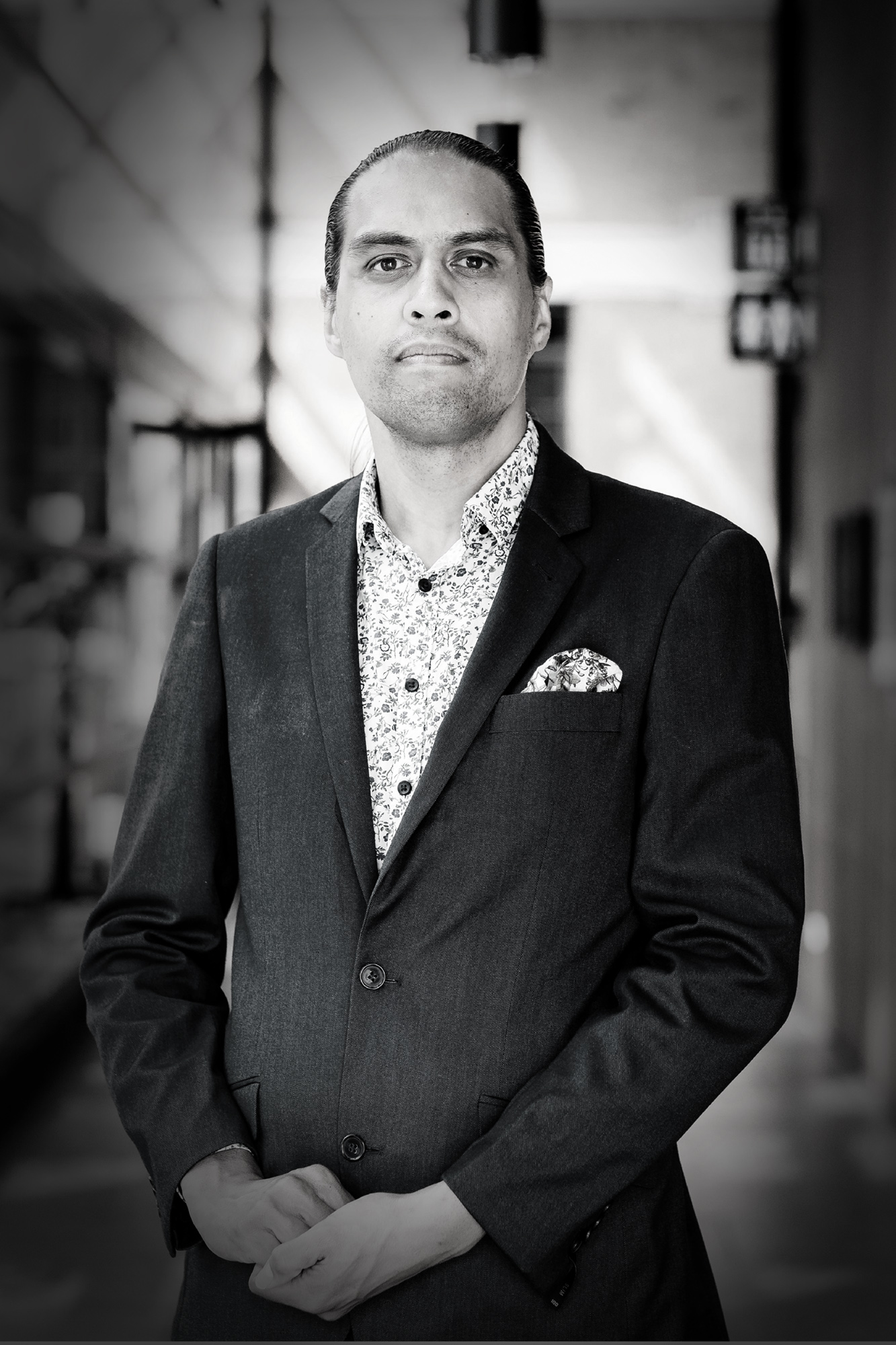
Tāwhanga Nopera, 2019

Ezekiel Raui, 2019

Rawiri Tinirau, 2019

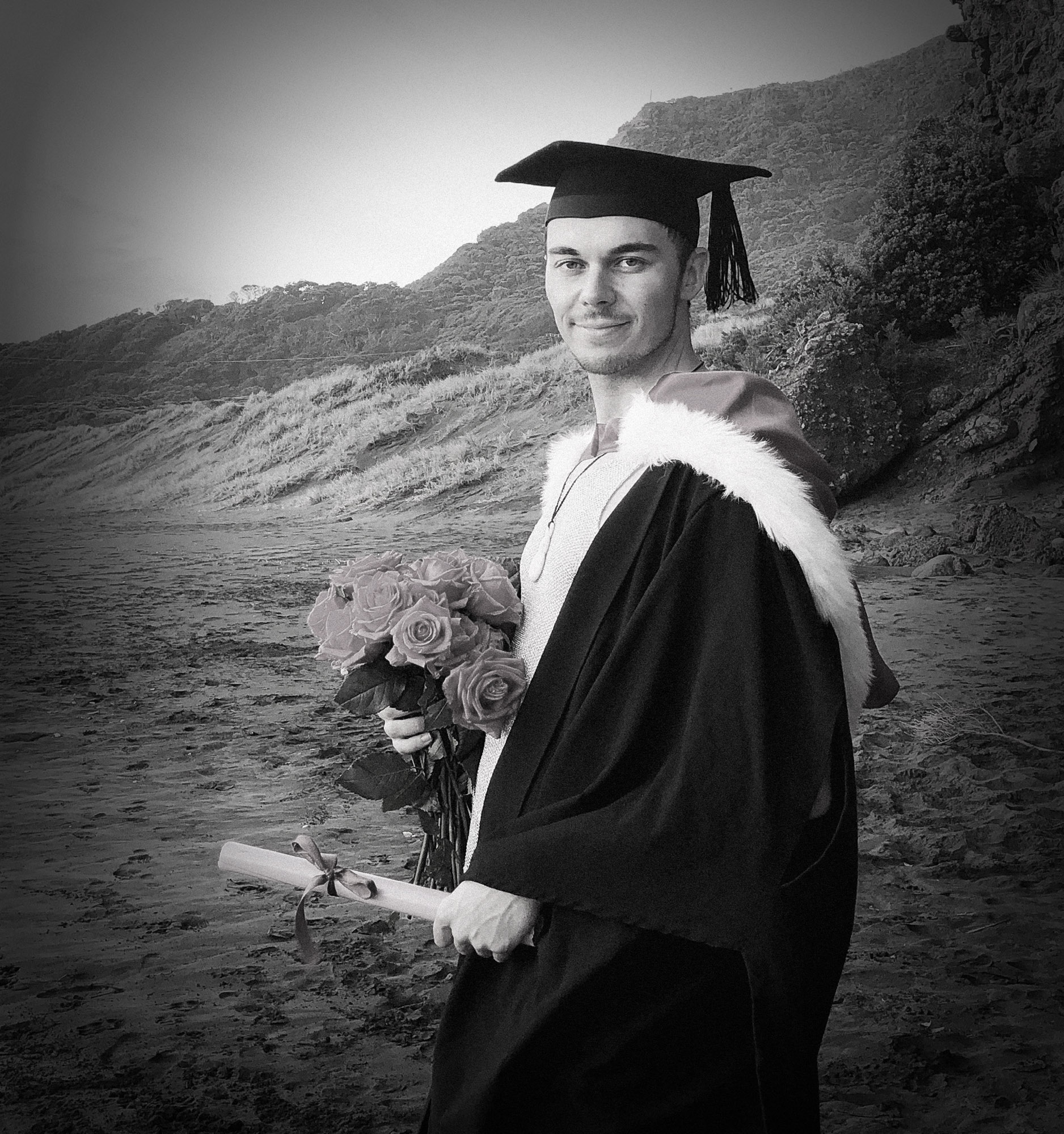
Kawiti Waetford, 2019

Scholarship Recipients

After World War II, Māori across the country fundraised for an enduring commemoration of the courage and sacrifice of their people in war. The Ngarimu VC and 28th (Māori) Battalion Memorial Scholarship Fund began from that in 1945.

Administered by a board, the fund provides scholarships to Māori undertaking higher education including vocational training. Many have gone on to make outstanding contributions to te ao Māori.


To find out more about scholarships, head to the Ministry of Education website. You can use this QR code to link directly to the information on your phone: open the camera, hold your phone steady in front the QR code, then tap the link that pops up.

Scholarships-QR2.png

Moana Jackson

Iwi: Ngāti Kahungunu, Ngāti Porou

Rōia | Lawyer
Year of award: 1964


I was the first law graduate from Kahungunu, and I wouldn’t have achieved that financially without the scholarship.

More important is my whakapapa to the Ngarimu family. Receiving a scholarship in memory of Uncle Moana, the man I’m named after, was a humbling honour.

My Dad was in the Māori Battalion, his two brothers, three of my Mum’s brothers – we grew up hearing of the courage and exploits of the battalion.

I honour that, but we also now realise the cost to the men who came back, the women who were left behind and the whānau who followed them.

The price of citizenship? By whakapapa, you are born a citizen of your iwi, like Ngāti Kahungunu, Ngāti Porou. The price is to be true to who we are as mokopuna of our iwi. And for the Crown to recognise our dignity and unique status as mokopuna of iwi, not Crown subjects.

Chanel Clarke

Iwi: Ngāpuhi, Te Rarawa, Ngāti Porou, Waikato Tainui

Kaitiaki Māori | Museum curator
Year of award: 1992


My great-grandfather Duncan McNicol served with the Māori Pioneer Battalion. He died in Belgium and never came home. My paternal grandfather, Peter Clarke, fought with A Company. A lot of my whānau are named after places where he fought: Libya, Florence, Alamein, Tunisia. Our whenua looks across to Ōhaeawai, a New Zealand Wars battle site. So we have all these connections to war, here and overseas.

I received the scholarship for my first degree. We all traipsed to Wellington to get it. A national scholarship! Granddad would have been over the moon.

As for the Battalion’s legacy, for the whānau it’s us, the descendants – we’re here! On a national level, is the legacy even known?

The price of citizenship? Each generation in their own way fights the fight, still makes the sacrifices – and they’re big ones.

Natalie Coates

Iwi: Ngāti Awa, Ngāti Hine

Rōia | Lawyer
Years of awards: 2008, 2012


The scholarship gives you moral support, because it’s grounded in te Ao Māori and in your ancestors. Apart from the financial assistance, it connects you to a higher ‘why’.

My great-grandfather, Te Arama Karaka Coates, was in North Africa with the Māori Battalion. Everyone loved him in that parched environment because he drove the water tanker!

I never met him, but the battalion are part of our history and whakapapa. You honour the memory of your tīpuna and respect their decision to go to war because that’s part of the fabric of who you are.

But it’s cost us hugely, not only in battalion lives lost, but also the lack of equality today and the unequal system that gives Māori no rangatiratanga, authority. There needs to be a giving back that reflects the Treaty and the sacrifice!

Hēmi Enright

Iwi: Ngāpuhi, Ngāti Ruanui

Tākuta | Medical practitioner
Year of award: 2015


What the Māori Battalion endured, the mamae, stays with you. Our men sacrificed their lives for Aotearoa. They fought for the King as Māori so that we would be seen to be equal in the Crown’s eyes. Their legacy is an inspiration for all.

Was the price too high to pay? It’s difficult to quantify. It was a different time and context. They leave a long-lasting legacy. Perhaps that was what was required then to give Māori equal standing and just acknowledgment by Pākehā.

As a people we are making waves. My generation is building on the successes of those before us – in health, law, education, commerce, information technology. You name it we’re doing it.

The endowment allowed me to complete my studies so that I could work at Whāngarei Base Hospital. Being able to enhance the wellbeing of our Māori patients and my whānau is inherently meaningful to me.

Margaret Kawharu MNZM

Iwi: Ngāti Whātua, Māhurehure

Kaitohutohu | Adviser
Year of award: 2008


For my whānau the Māori Battalion was a poignant reminder of those who fought with the Pioneer Māori Battalion in WW1: our grandfather, Wiremu Paora, and at least two others from Reweti.

The price of citizenship is the individualisation of identity. Being Māori stems from a particular kin group, with all its inherent rights and duties. It has been an ongoing struggle to recognise, accept and value that. Citizenship may ensure the identity of an individual but erases the kin group on whom being Māori depends.

The scholarship enabled me to write about the Treaty claim negotiation process between Ngāti Whātua o Kaipara and the Crown to settle our longstanding historical grievances, in spite of our contributions to the nation.

It was a privilege to honour those of our whānau who volunteered to protect the country, and I paid tribute to them in my MA thesis.

Robert Kereopa

Iwi: Ngāti Tūwharetoa

Minita o te Hāhi Mihingare | Anglican Church minister
Year of award: 1975


The scholarship gave me a connection back to my people in my pursuit of scholarly excellence. It also gave me some confidence, a sense of mana, to participate and succeed in a world where none of my whānau had gone before.

I had a great-grandfather, a grandfather and three of his brothers serve in the first Māori Battalion, in World War I. And one of those brothers and others from our whānau in World War II.

It was a remarkable participation, because in many ways our people were hugely marginalised. They did not have to participate. They wanted to honour a partnership, even though it was not honoured by our partners. They wanted to honour it in that way.

They had a strong sense of doing the right thing, regardless of the past.

Kingi Kiriona

Iwi: Ngāti Ruanui, Ngāti Kahungunu, Ngāti Apa

Kaitito | Composer
Year of award: 2000


In 2019, our kapa haka group was part of a pilgrimage to Italy, marking the 75th anniversary of the Battle of Cassino. We refer to battalion members as ancestors. But visiting the graves there, you rarely saw one for a soldier older than 30.

It reinforces the sacrifice they made, the gratitude we should have, the responsibility to keep their story going, to make sure it never fails.

Was the price they paid too high? Death is always a very high price. You don’t want to dishonour the lives lost in that war. The worst thing would be to give up the fight for equality.

Te Moananui-a-Kiwa Ngarimu fought to the bitter end. If you receive a scholarship with that example attached – well, it compelled me to go hard, to give nothing but my best.

Ēnoka Murphy

Iwi: Ngāti Manawa, Ngāti Ruapani, Ngāti Kahungunu

Pūkenga matua | University lecturer
Year of award: 2010


My tipuna Peita Kōtuku fought in the New Zealand Wars, from Taranaki in 1860 until 1870 alongside Te Kooti. My great koro fought in World War I, my koro in World War II.

My scholarship was for a university doctorate, and I wrote it in te reo Māori in honour of all my tīpuna and koro who went to war.

I didn’t know I could write a doctorate until I wrote it. And my whānau, my hapū, my iwi were so proud of me getting this award, they were there on my shoulders, failure was certainly no option!

The challenge that lies before us is just as humungous as it was for our men who left these shores to go to war. So my doctorate, which was on the New Zealand Wars, concluded with – this is what our people did for us, what are we going to do?

Tāwhanga Nopera

Iwi: Ngāti Whakaue, Ngāti Wāhiao, Tūhourangi, Ngāti Amaru, Ngāti Tūwharetoa, Ngāi Tāwake

Tohunga mahi toi | Artist and researcher
Year of award: 2006


I struggled when I started studying after high school, studying, things going haywire, not studying. Then after years, I found myself doing pretty well – I could do it. Someone said, go for that scholarship.

The scholarship, the first I really got, was a life changer. And for it to come from a place of sacrifice. I started to realise, that’s a lot of mana. Do I deserve that?

And then, it’s not about deserving, it’s about how we contribute to the work our tūpuna did. It’s a continuation of that mahi. All the mahi they have ever done. We’re all engaged in it. That’s what the kaupapa is – it’s in our bones.

Then I realised, I can do anything with my life. I’m supposed to, actually. That scholarship really helped me to commit to myself and my whānau.

Ezekiel Raui

Iwi: Ngāpuhi, Te Rarawa, Cook Islands

Rakahinonga pāpori | Social entrepreneur
Year of award: 2016


The scholarship was the difference between studying or not beyond school – nothing has been more important for me than being first in my family to graduate from university.

The 28 (Māori) Battalion are our wairua fighting for us. They’re saying, you’ve got a job to do. And the scholarship is like that kick up the arse. After everything they’ve sacrificed, it’s ungrateful to sit here and do nothing.

What they left us is te ao Māori not just surviving but flourishing in the 21st century. I take my hat off to our leaders then.

They took the risk. They said, we were told this is the price. We knew we couldn’t afford it, but we did it. I’m part of those future generations to benefit.

Rawiri Tinirau

Iwi: Te Āti Haunui-a-Pāpārangi, Ngā Rauru Kītahi, Ngāti Ruanui, Ngā Wairiki-Ngāti Apa, Ngāti Tūwharetoa, Ngāti Kahungunu, Ngāi Tūhoe

Kaiwhakahaere rangahau | Research director
Year of award: 1999


My great-grandfather, Arama Tinirau, was a member of 28 (Māori) Battalion. I found out that when he died he had left a small sum to the scholarship trust. I was thankful for his foresight to invest in a future descendant of his.

With the scholarship, I felt a responsibility to serve as the battalion had served. There were the study results, of course, but also that need to give back, beyond our own hapū or whānau.

At university, it was contributing to te Ao Māori, the wider Māori community and development in that space.

It was good training for later. After graduating in accountancy, I got a call from a grand uncle at Rānana up the Whanganui River: ‘I’ve been marae treasurer for the last 40 years. Would you come home and do the books?’

I’m still on that committee, in fact I’m chairman now.

Kawiti Waetford

Iwi: Ngāti Wai, Ngāti Hine, Ngāpuhi

Kaiwaiata puoro whakaari | Opera singer
Year of award: 2014


The idea of sacrifice, the example of Te Hokowhitu-a-Tū – how has it influenced me? I look around today and I feel we’re so blessed and privileged, sometimes we forget that. So to remember, do better and do more.

The scholarship enabled me to do the things I have done, made them easier. To attend university and to live. Also to expand my networks to other Māori who are excelling in different areas.

I feel proud to be part of those alumni, to be carrying on the legacy of Te Hokowhitu-a-Tū. It ties in with the impression those tīpuna left on the world. When we go out there in any field, stand up and do our thing, people know we’re Māori. It increases our mana, at home and internationally.